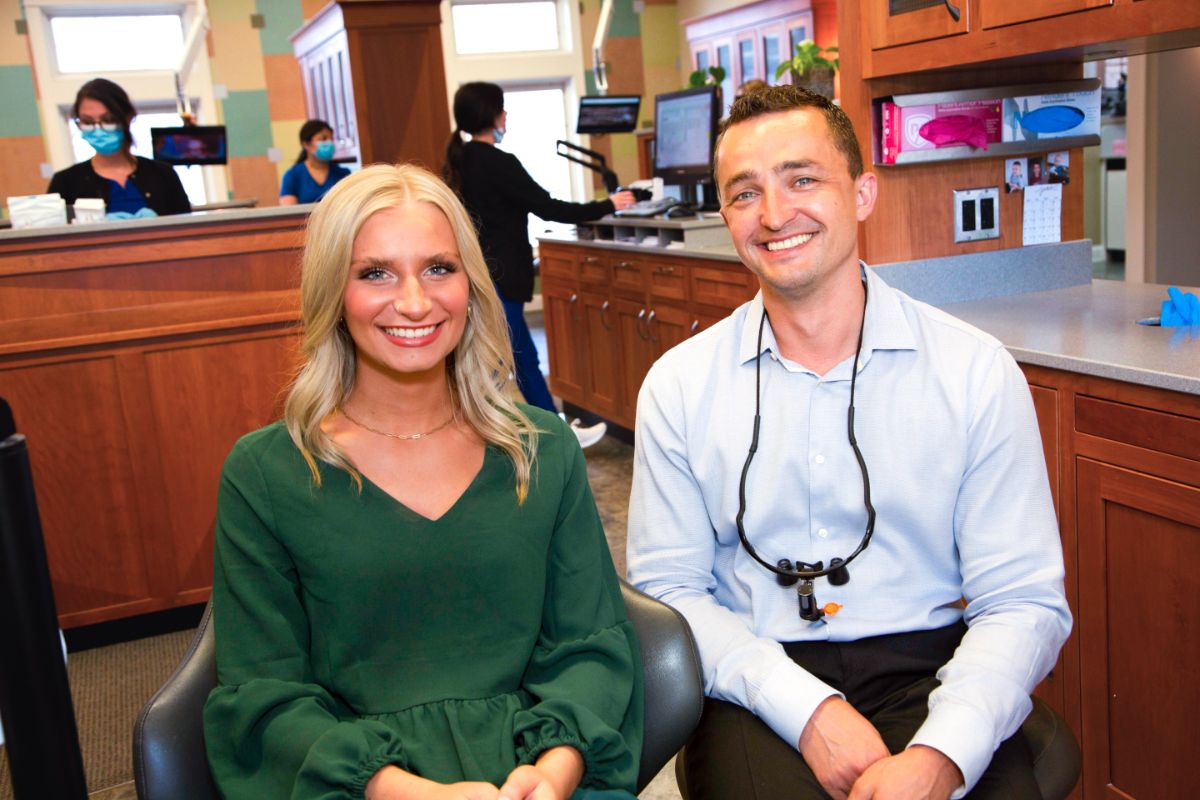
Thinking about straightening your teeth as an adult? You’re in good company. More grown-ups than ever are choosing clear aligners, and Invisalign has become one of the most popular ways to get a smile you love without the look of metal brackets.
Here’s what you should know before you get started.
What Is Invisalign for Adults?
Invisalign is a series of clear, custom-made aligners that gently shift your teeth into place without brackets or wires. You wear each set for about one to two weeks, then move on to the next in the series. Over time, your smile transforms, quietly and comfortably.
Age is not a barrier. Adults now make up a large share of orthodontic patients, and there’s no upper age limit for treatment. Grown-ups of every age are opting for clear aligners for cosmetic reasons, health reasons, or both.
That said, adult treatment is a little different from teen treatment. Adults have denser bone and fully mature teeth, so Dr. Peter Barysenka and our team carefully plan each case to account for how those teeth will move.
Invisalign can address:
- Crowded teeth
- Gaps and spaces
- Overbites, underbites, and crossbites
- Open bites
- Mild to moderate alignment issues
At Sycamore Orthodontics & Pediatric Dentistry, Invisalign is part of our orthodontics for all ages. Whether you’re 25 or 65, our doctors can help you decide if clear aligners are the right fit.
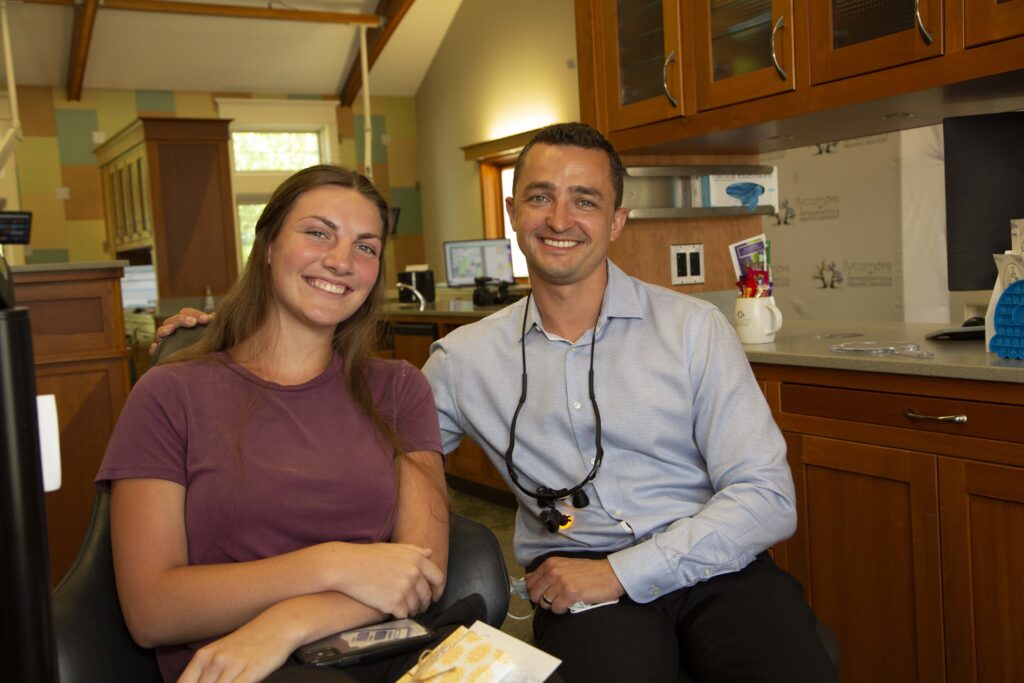
How Invisalign Works: The Adult Treatment Process
Getting started with Invisalign is simpler than you might think. Here’s what the process looks like at our practice.
- Consultation and digital scan. Your first visit includes an exam and a 3D digital scan of your teeth. No messy putty impressions. The scan takes just a few minutes and creates a precise map of your smile.
- Custom treatment plan. Our doctors use the scan to design your personalized plan. You’ll even get to preview what your final smile will look like before you commit.
- Receive your aligners. Once your aligners are ready, you’ll pick them up and get instructions on wear and care. Most adults wear each set for one to two weeks before switching.
- Wear them 20 to 22 hours daily. Aligners only work when they’re in your mouth. You’ll take them out to eat, drink anything besides water, brush, and floss.
- Check-in visits every 6 to 8 weeks. Short appointments let our doctors track progress and hand off new trays. These visits are quick and low-stress.
- Attachments and IPR when needed. Some cases call for small tooth-colored bumps (attachments) that give aligners better grip, or gentle enamel shaping (interproximal reduction) to create space. Our doctors will explain if either applies to you.
- Retainers to hold your results. After active treatment, retainers keep your teeth in their new positions. This step is essential for lasting results.
The whole experience is designed to fit into busy adult lives. Most people finish treatment in 12 to 18 months, though timelines vary by case.
Benefits of Invisalign for Adult Patients
Why do so many adults choose Invisalign over other options? The benefits go beyond looks.
Are Aligners Really That Discreet?
Clear aligners are hard to spot in meetings, on video calls, or at social events. Most people won’t notice you’re wearing them. The plastic is thin and clear, and it hugs your teeth closely. That discretion is a big reason adults choose Invisalign over metal brackets, especially when work involves face-to-face interaction or public speaking.
What About Eating and Everyday Life?
You can eat whatever you want. Pop the aligners out, enjoy your food, brush, and put them back in. No food restrictions, no getting popcorn stuck in wires. That freedom makes a real difference over the months of treatment.
Other benefits worth knowing:
- More comfortable. Smooth plastic means no poking wires or brackets rubbing your cheeks. Some pressure is normal when you switch trays, but it fades within a day or two.
- Often faster than metal braces. Many Invisalign cases finish sooner than similar bracket treatment, though your timeline depends on your specific needs.
- Easier oral hygiene. Brushing and flossing are simple because there’s no hardware in the way. That means less risk of cavities and gum problems during treatment.
- Better bite, less strain. Correcting bite issues can ease jaw pain, reduce TMJ symptoms, and prevent uneven wear on your teeth.
- Confidence boost. Feeling good about your smile changes how you show up at work, in photos, and with the people you love.
At Sycamore Orthodontics & Pediatric Dentistry, our doctors have helped adults from all walks of life find comfort and results with Invisalign. Your family is special, and that includes you.
Invisalign vs. Traditional Braces vs. At-Home Aligners
Not all straightening options are created equal. Here’s how the main choices compare:
| Feature | Invisalign | Metal Braces | Ceramic Braces | Mail-Order Aligners |
|---|---|---|---|---|
| Appearance | Nearly invisible | Highly visible | Less visible, can stain | Nearly invisible |
| Removable | Yes | No | No | Yes |
| Best for | Mild to moderate cases | Complex bite issues | Mild to moderate cases | Very mild cosmetic issues |
| In-person care | Yes | Yes | Yes | No |
| Comfort | High | Moderate | Moderate | Varies |
| Treatment supervision | Full orthodontist oversight | Full orthodontist oversight | Full orthodontist oversight | Limited or none |
Invisalign works beautifully for most adult cases. It’s discreet, removable, and effective for a wide range of alignment and bite concerns.
Metal braces remain the strongest tool for complex bite corrections and major tooth movement. They’re always visible, but they get results in cases where aligners can’t.
Clear or ceramic braces blend in more than metal, but they’re still fixed to your teeth and can stain if you’re not careful with certain foods and drinks.
At-home or mail-order aligners may look tempting, but skipping in-person care comes with real risks. Without regular exams, small problems can turn into big ones. Issues like gum disease, root damage, or bite misalignment often go unnoticed until they’re serious.
At Sycamore Orthodontics & Pediatric Dentistry, our doctors examine your teeth, monitor your progress, and adjust your plan as needed. That kind of professional supervision is the safest path to results you’ll be happy with for years to come. Our doctors also coordinate with your general dentist when needed, so nothing about your oral health gets missed during treatment.
Are You a Good Candidate? What Disqualifies Adults from Invisalign
Most healthy adults are good candidates for Invisalign, but a few conditions need attention first. Ideal candidates have healthy teeth, healthy gums, and enough bone support to allow teeth to move safely.
Here’s what could delay or disqualify treatment:
- Active gum disease. Gum infection must be treated and stabilized before aligners can start.
- Untreated tooth decay. Cavities need to be filled first.
- Severe bone loss. Teeth need bone to move into. Significant loss may rule out aligners.
- Very complex bite issues. Some cases need traditional braces or a combination of treatments.
- Low commitment to wear time. Success depends on wearing aligners 20 to 22 hours a day. If that’s not realistic for you, results will suffer.
Good news: existing crowns, bridges, and dental implants usually don’t disqualify you. Our doctors just plan around them.
The only real way to know if Invisalign is right for you is a consultation. Our doctors at Sycamore Orthodontics & Pediatric Dentistry will examine your teeth, take a digital scan, and give you a straight answer.
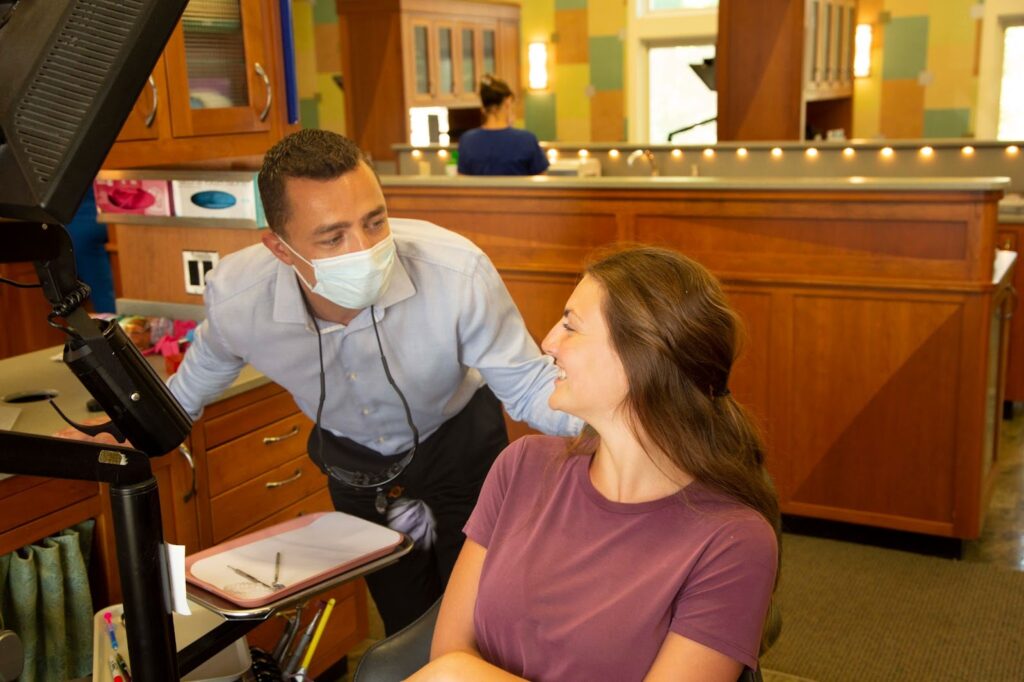
Frequently Asked Questions About Adult Invisalign
What do you wish you knew before getting Invisalign?
Most adults say discipline matters more than they expected. Aligners only work when you wear them, and the 20-to-22-hour daily target is non-negotiable. Setting reminders, carrying your case everywhere, and building a routine around meals makes a huge difference. The commitment pays off, but it’s real.
Is Invisalign worth it for older adults?
Yes. As long as your gums and bone are healthy, there’s no maximum age for Invisalign. Many adults in their 50s, 60s, and beyond have great results. Straighter teeth are easier to clean, which helps prevent gum disease and tooth loss later in life. It’s an investment in both your smile and your long-term oral health.
What disqualifies you from Invisalign?
The main disqualifiers are active gum disease, untreated cavities, severe bone loss, and very complex bite problems that need braces. Poor compliance with wear time can also derail treatment. A consultation with our doctors is the best way to know for sure.
What is the 30-minute rule for Invisalign?
The 30-minute rule means keeping your aligners out for no more than about 30 minutes at each meal. Your total daily out-of-mouth time should stay under two hours combined. Longer breaks slow your progress and can even cause aligners to stop fitting properly.
Will Invisalign affect my speech?
You may notice a slight lisp for the first few days as your tongue adjusts to the aligners. It usually goes away within a week. Reading out loud can speed up the adjustment.
Can I drink coffee with my aligners in?
It’s best to take them out. Hot drinks can warp the plastic, and coffee, tea, and wine can stain aligners quickly. Water is the only drink that’s safe to sip with aligners in place.
If you’re curious whether clear aligners could work for your smile, a consultation with the doctors at Sycamore Orthodontics & Pediatric Dentistry is a good next step. We’re so glad you’re here, and we’re always happy to answer questions and help you smile more.