What Makes a Husband-and-Wife Dental Team Different?
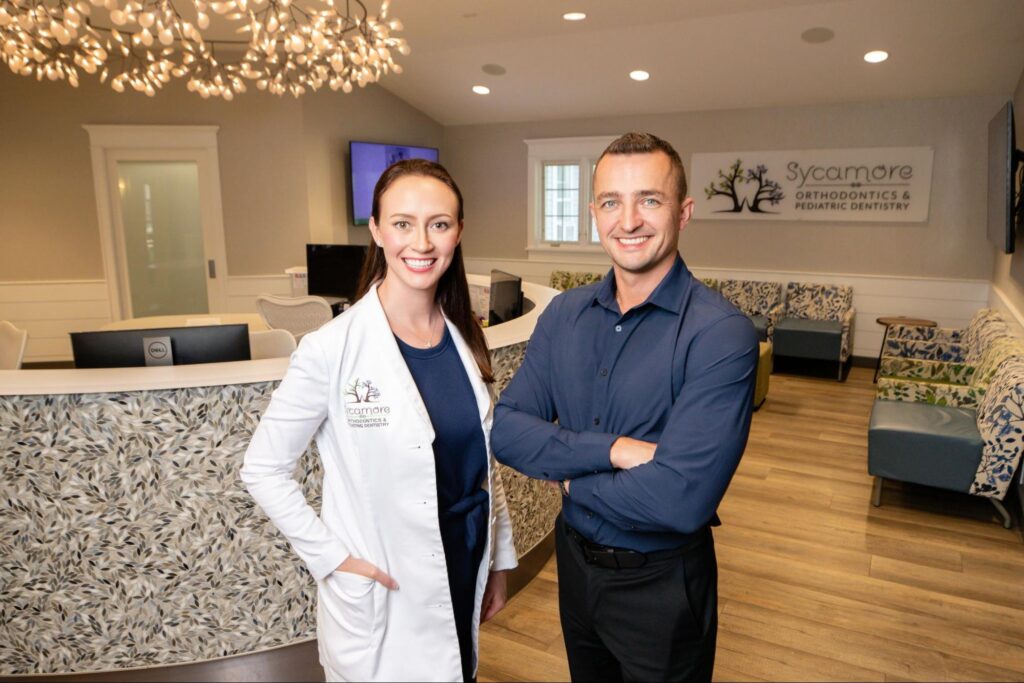
Two married doctors, two specialties, one building. Meet Dr. Peter Barysenka and Dr. Sarah Barysenka, who own and practice together at Sycamore Orthodontics & Pediatric Dentistry. Your family sees the same familiar faces from the first baby tooth through the last retainer check, and the doctors who diagnose your child are the same doctors who treat your child. We’re so glad you’re here.
What Is a Husband-and-Wife Dental Team?
A husband-and-wife dental team is two married doctors who co-own a practice and treat families together, usually in complementary specialties. At Sycamore Orthodontics & Pediatric Dentistry, Dr. Peter Barysenka and Dr. Sarah Barysenka pair pediatric dentistry with orthodontics under one roof, so cleanings, fillings, and braces get handled by the same owners in the same building.
Both pediatric dentistry and orthodontics require specialty residency training beyond dental school, so a dual-specialty pairing brings two distinct skill sets into one practice rather than one generalist stretching across both.
That structure changes more than the sign on the door. When two owners share a practice, they also share the clinical protocols, the sterilization standards, and the tone at the front desk. There’s no committee deciding how your child gets treated.
It’s also different from a large multi-doctor group. In those settings, providers often rotate, and the doctor who diagnosed your child in March may not be the one placing brackets in October.
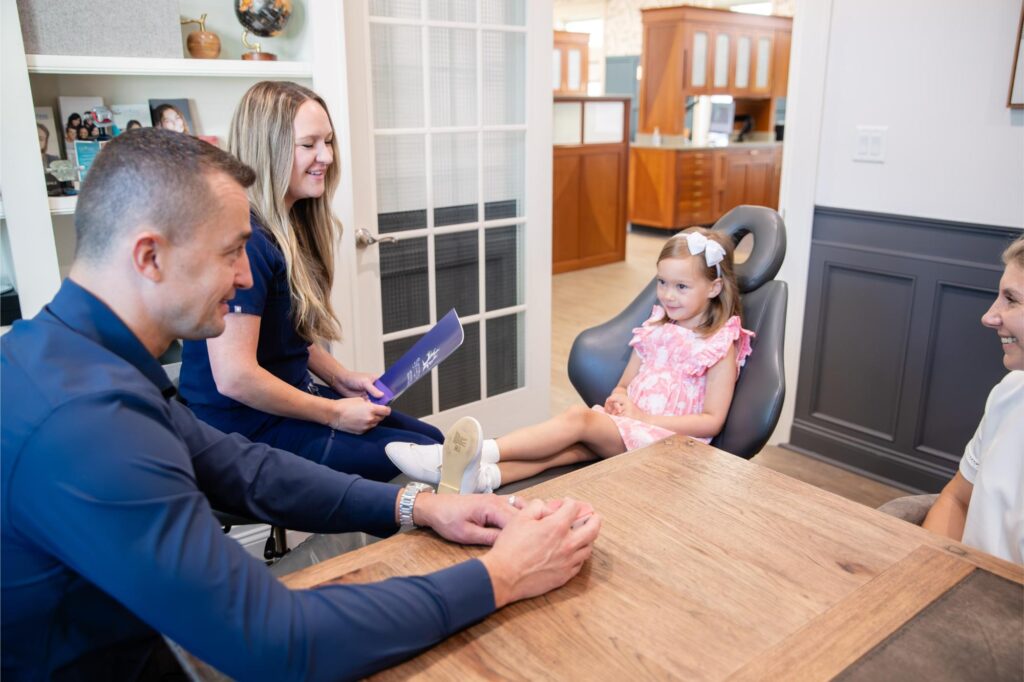
Here, continuity is the point. The same two doctors can follow a child from an infant exam through baby teeth, growth changes, braces or Invisalign, and finally retainers. They remember which molar came in late and which appointment made your daughter nervous.
Dr. Jason Holt rounds out the doctor group alongside the two owners, and each doctor keeps a bio page listing their training, specialty credentials, and provider information so you can read up before you come in. Dr. Peter and Dr. Sarah are committed, highly-qualified professionals who care deeply about children and teens.
How a Two-Doctor Married Team Works Day to Day
A husband-and-wife dental team works from one shared record. Both doctors see the same X-rays, photos, and health history, then consult in real time between rooms. Treatment gets sequenced together, dental and orthodontic visits land on the same day, and one scheduling team keeps your whole family on a single calendar.
Here’s what that looks like step by step.
- Shared intake and records. Your child’s X-rays, photos, and health history live in one chart. Nobody asks you to fill out the same forms twice or chase down films from another office.
- Real-time consults. If Dr. Sarah spots crowding during a cleaning, she can walk down the hall and grab a second opinion that afternoon. No outside referral, no waiting six weeks for a new-patient slot.
- Coordinated sequencing. Restorative work usually comes first. Fillings, sealants, and any pediatric treatment get finished before brackets or aligners go on, so nothing has to be undone later.
- Joint case reviews. Growth patterns, airway concerns, spacing, and eruption timing get discussed together. Two sets of trained eyes on the same set of records.
- One scheduling team. A cleaning and an orthodontic check can often be stacked into one visit. Siblings, too.
That last piece matters more than families expect. One trip instead of three saves a morning off work and a lot of back-and-forth in the car.
Benefits of Choosing a Husband-and-Wife Practice
The short version: fewer handoffs, more consistency, and a longer relationship. Here’s the longer version.
- Fewer referrals and delays. When diagnosis and treatment happen in the same practice, the gap between “we noticed something” and “we started fixing it” gets much shorter.
- One point of accountability. The owners are the ones in the operatory. If something needs to change, you talk to the people who can change it.
- A consistent philosophy. Both doctors agree on when to watch and when to act. You won’t get conservative advice from one provider and an aggressive plan from another.
- Long-term relationships. Many families start with a first-birthday visit and stay through high school graduation photos. The doctors know your child’s history because they lived it with you.
- Easier coordination for special needs. Anxious kids, extra appointment time, and added comfort measures are simpler to arrange when one team controls the whole schedule.
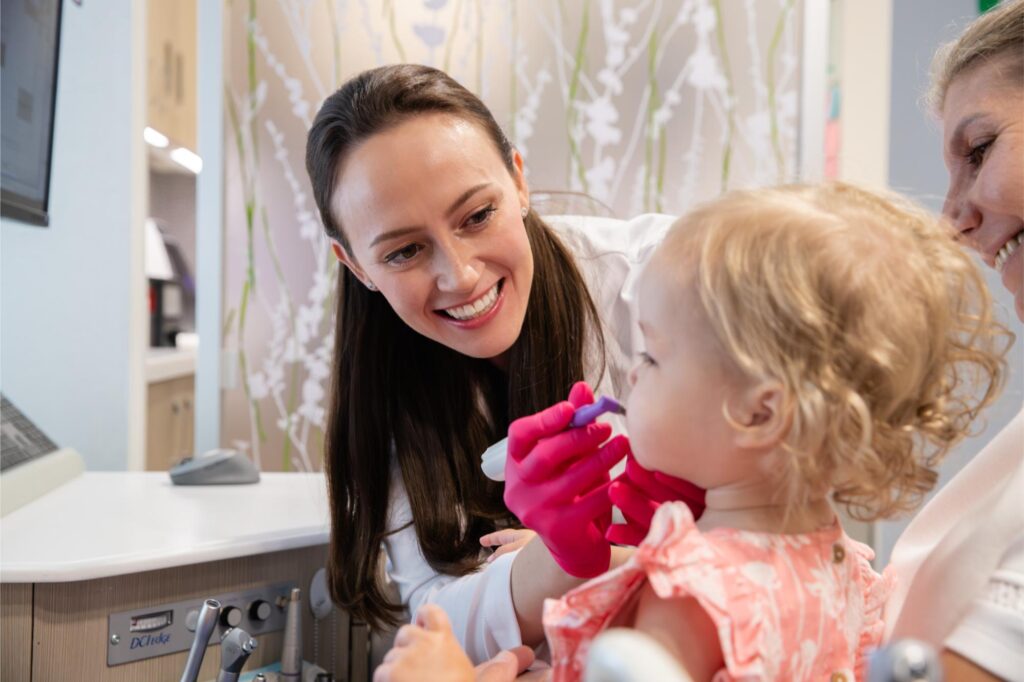
- A family-run feel. A practice owned by a married couple tends to run at a calmer pace, and that calm shows up in how appointments are paced. Your family is special, so we tailor our cleanings and treatments to help you and your child feel comfortable.
None of this is flashy. It simply removes friction from the parts of care that usually create the most of it for parents.
Husband-and-Wife Team vs. Solo Practice vs. Corporate Group
No single model is best for every family. What follows is a fair look at the tradeoffs.
| Husband-and-Wife Dual Specialty | Solo Practice | Corporate / DSO Group | |
|---|---|---|---|
| Continuity of care | Same two doctors for years | Same doctor, one specialty | Providers may rotate |
| Referral needs | Rarely, most care stays in-house | Often, for specialty work | Sometimes, within the network |
| Decision-making | Made by the treating owners | Made by the treating owner | Often set by regional policy |
| Ownership | Doctors own the practice | Doctor owns the practice | Investors or a management company |
| Scheduling | Dental and ortho stacked in one trip | Single-service visits | Broad hours, less flexible pairing |
A solo practice can offer a wonderful relationship, but one doctor can only cover so much. Corporate groups often have long hours and many locations, which some families need, though the tradeoff is turnover and centralized policy.
A husband-and-wife dual-specialty practice sits in the middle. You get combined expertise plus owner-level consistency in one place. That middle ground is exactly the model Dr. Peter and Dr. Sarah built, pairing orthodontic care with pediatric dentistry so one owner-led team covers both sides of a child’s treatment.
The right fit depends on what your family values most: convenience, continuity, cost, or coverage. Ask the questions that matter to you before you choose.
Does a Two-Doctor Team Cost More? Factors That Affect Fees
No. Cost depends on treatment complexity and the materials involved, not on how many doctors own the practice.
A crowded case that needs 24 months of braces costs more than a short aligner case, regardless of who provides it. Two-doctor coordination affects your schedule, not your invoice. Ask any practice to walk you through its fee logic, and you should hear roughly the same reasoning.
Here’s what actually moves the number.
| Factor | Why it affects your fee |
|---|---|
| Case complexity | Bite correction and jaw growth cases need more visits and more adjustments |
| Appliance type | Metal braces, clear braces, and Invisalign fall into different fee ranges |
| Treatment length | Longer treatment means more appointments over more months |
| Retainer plan | Retainer type and replacement policy vary by practice |
| Extra needs | Additional appointment time or added comfort measures can raise the total |
One real savings: combining dental and orthodontic visits cuts down on time off work, gas, and school pickups. That’s not a discount, but families feel it.
Insurance and payment plans work the same as at any private practice. Ask for a written treatment plan with the total fee before anything starts, and read it line by line.
Who Is a Good Fit for This Kind of Practice?
Two-doctor, dual-specialty care fits some families better than others. You’re likely a good match if you recognize yourself here.
- Families who want everything coordinated. Cleanings, fillings, and braces handled in one office by doctors who talk to each other daily.
- Parents of infants and toddlers. The American Academy of Pediatric Dentistry (AAPD) recommends, in its published guidance for parents, a first dental visit by the first birthday, or within six months of the first tooth.
- Children needing restorative work first. Cavities and early spacing issues get addressed before orthodontic treatment begins.
- Teens and adults considering treatment. Metal braces, clear braces, and Invisalign are all on the table. Plenty of parents start treatment right alongside their kids.
- Anxious patients. Familiar faces, a predictable routine, and extra chair time go a long way.
- Anyone playing the long game. If you want the same two doctors watching your child grow up, this model was built for that.
Frequently Asked Questions About Husband-and-Wife Dental Teams
Do both doctors see every patient, or are cases split by specialty?
Cases are usually split by specialty, with plenty of overlap. Pediatric dentistry visits and orthodontic visits each have a primary doctor, but records are shared and second opinions happen in the hallway, not in a referral letter. Most children end up knowing both doctors well.
Can my child get a dental cleaning and an orthodontic check the same day?
Yes, in most cases. Because one scheduling team handles both sides of the practice, a cleaning and an orthodontic check can often be booked back to back. Mention it when you call so the right time gets blocked off.
How do married co-owners handle disagreements about a treatment plan?
They talk it out before you hear a recommendation. Two doctors reviewing the same records will occasionally see things differently, and that’s a good thing. What reaches you is a single plan both doctors stand behind.
At what age should my child first see an orthodontist?
By age 7, according to the screening guidance published by the American Association of Orthodontists (AAO). Enough permanent teeth have come in by then for a doctor to spot crossbites, crowding, or jaw growth concerns. An early check often means watching and waiting rather than starting treatment right away.
Do I need a referral to start orthodontic treatment here?
No referral is required. You can call directly for an orthodontic consultation, whether your child is already a dental patient here or coming from another practice. If you’d like your records transferred, we’ll help with that.
What happens for after-hours or pediatric dental emergencies?
Call the practice first, even outside normal hours, and follow the instructions you’re given. Knocked-out permanent teeth, swelling, and facial trauma need attention quickly. Because the same doctors know your child’s history, emergency decisions get made faster.
Two Doctors, One Practice, Your Whole Family
Choosing a practice is really about choosing people. Dr. Peter and Dr. Sarah built Sycamore Orthodontics & Pediatric Dentistry so families could get braces, Invisalign, and kids dentistry in one welcoming place, with the same two owners following your child from the first visit onward.
Take a look at our reviews, browse the before and afters, or read the doctor bios to see who you’d be trusting with your child’s smile.
When you’re ready, get started. We’d love to help your family smile bright for many years to come, and to help you smile more along the way.