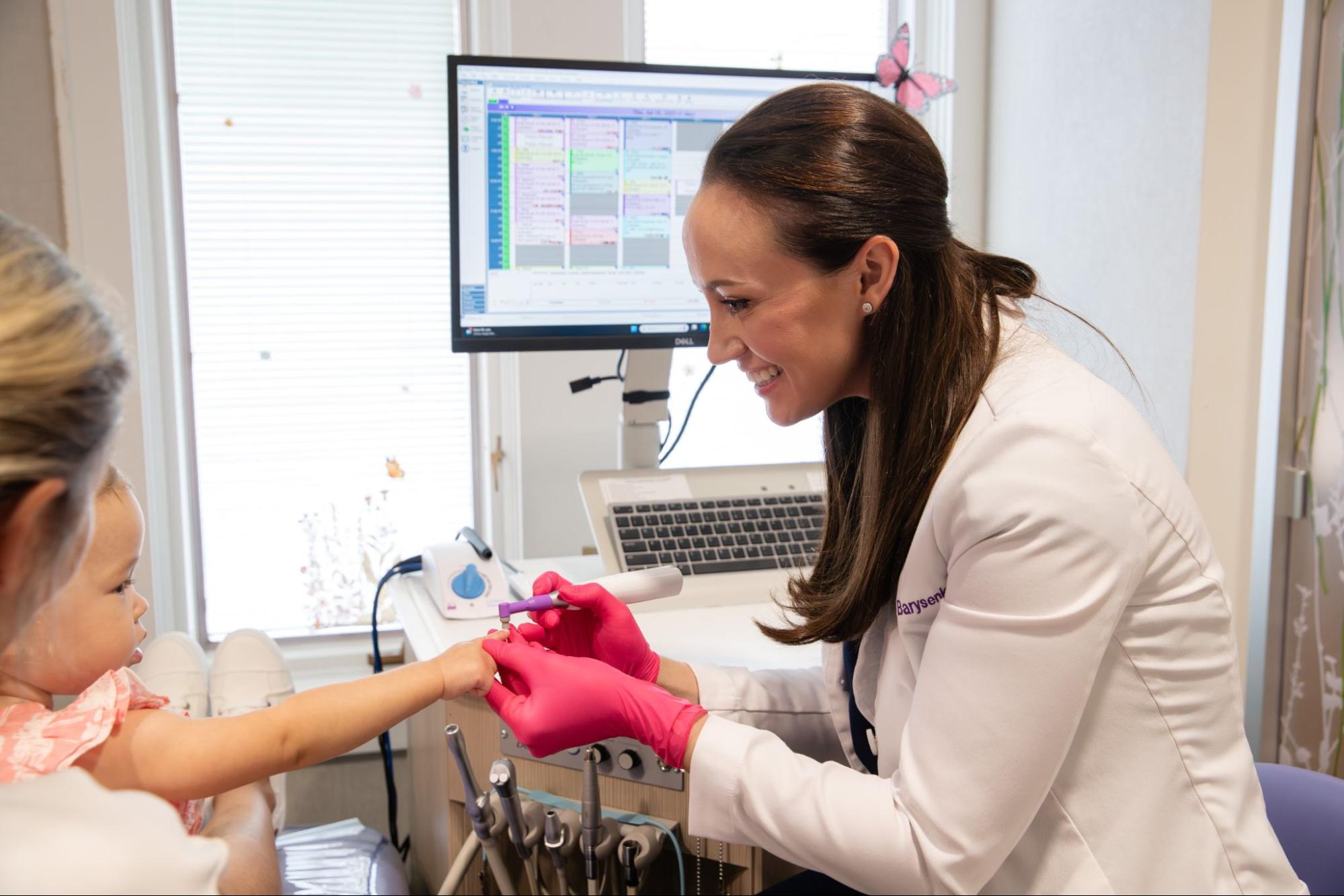
If you’ve talked with friends or family members who had braces “back in the day,” you’ve probably heard a few horror stories: messy molds, bulky appliances, and appointments that felt long and frequent. The good news? Orthodontics has changed dramatically, and those changes are improving comfort, precision, and convenience for patients of all ages at Sycamore Orthodontics & Pediatric Dentistry.
You’ll see how thoughtful technology trends in orthodontics support personalized care, whether you’re working with Dr. Peter Barysenka for orthodontics, Dr. Sarah for pediatric dental care, or Dr. Jason Holt, DDS.
How Orthodontic Technology Has Evolved Over the Last 20 Years
Orthodontics has always been about guiding teeth and jaws into healthier, more functional positions, but the way we plan and deliver treatment has evolved significantly in the last two decades. Here’s what changed (and why it matters to you):
- Digital planning became the norm. Instead of relying only on physical molds and 2D images, many offices now use digital photos, modern imaging, and computer-based planning to map tooth movement more precisely.
- “No-goop” impressions became possible. Intraoral scanners can capture a 3D model of your teeth without the messy trays that used to trigger gag reflexes.
- Braces became more efficient. Advances in bracket design and wire technology allow lighter, more continuous forces, often improving comfort and supporting more streamlined progress.
- Clear aligners became mainstream. Invisalign and similar aligner therapies expanded what’s possible for teens and adults seeking a removable option.
- Patient communication improved. Mobile tools and digital records make it easier to stay informed, track appointments, and understand what’s happening.
These technology trends in orthodontics don’t replace expert care, they support it, so your treatment feels more predictable and patient-friendly.
Common Technology Used in Modern Orthodontic Offices
Even when you don’t see all the tools behind the scenes, modern orthodontic technology impacts nearly every part of your treatment: diagnosis, planning, comfort, and follow-ups.
Digital Scans and Imaging
Many modern orthodontic offices like ours use digital tools to gather accurate information quickly.
- 3D intraoral scanning: A small handheld scanner captures a detailed digital model of your teeth, which is helpful if you prefer scanning over traditional molds (most folks do).
- Digital photos and X-rays: These help your doctor evaluate tooth position, bite balance, and jaw alignment.
- Digital storage and sharing: Your records are easier to access and review during visits.
Braces Technology That Supports Comfort and Efficiency
Braces have come a long way from thick wires and frequent tightening.
- Shape-memory NiTi wires: These deliver light, continuous force over time, which can reduce discomfort and often allow longer intervals between adjustments.
- Modern bracket designs: Some patients benefit from low-friction systems (often called self-ligating in the orthodontic world) that can make treatment more efficient in select cases.
- Esthetic options: Tooth-colored ceramic braces can blend into your smile while still delivering the reliable mechanics of braces.
Clear Aligner Therapy (Including Invisalign)
Clear aligners are one of the most talked-about technology trends in orthodontics, and for good reason.
- Removable trays: You can take them out to eat and brush.
- Digital treatment planning: Your doctor can map tooth movement in stages.
- Lifestyle flexibility: Aligners can be a great fit for teens and adults with busy schedules.
Digital Tools That Help You Stay Organized
More offices now use secure online tools or apps that help you manage treatment details.
- Review appointments and reminders
- Access forms and educational videos
- View financial information and make payments
Technology doesn’t “do the treatment” by itself; your doctor does! But these tools help make your experience smoother and more comfortable.
Orthodontic Appliances: Technology You Can Feel Working
Not all technology is digital. Sometimes braces need a little help from a “friend”—an additional appliance that guides jaw growth or tooth movement when braces alone can’t do the job.
Depending on your needs, Dr. Barysenka may recommend an appliance such as:
- Expanders to widen the upper jaw and create space
- Herbst appliances to help guide jaw position and reduce overbite
- Forsus springs to correct overjet and support bite changes
- Headgear (in specific growth-related cases) to support jaw alignment
- TADs (temporary anchorage devices / mini-implants) to provide extra support for certain tooth movements
These appliances are part of long-standing orthodontic care, but modern designs, materials, and planning tools make them more precise and often easier to manage in today’s practices.
Tech Savvy, Family-Focused
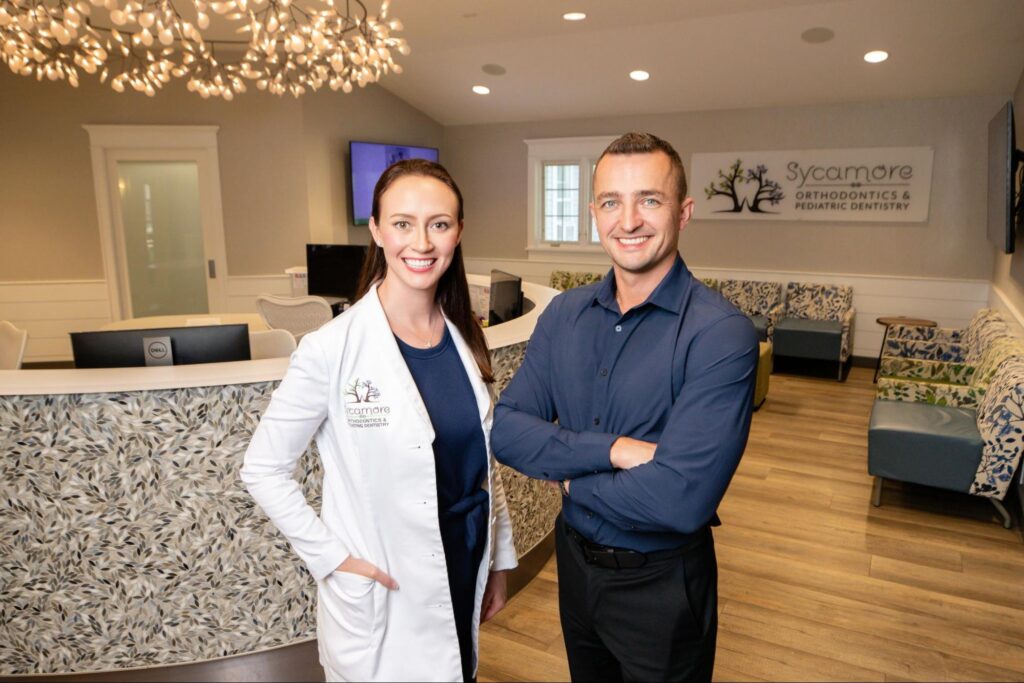
Technology is only valuable when it makes your experience better. At Sycamore Orthodontics & Pediatric Dentistry, our team focuses on combining a welcoming environment with modern care, so you feel supported whether you’re here for pediatric dentistry, orthodontics, or both.
If you’re curious about how technology trends in orthodontics may shape your treatment options, we’re happy to talk through what fits your goals and your lifestyle.